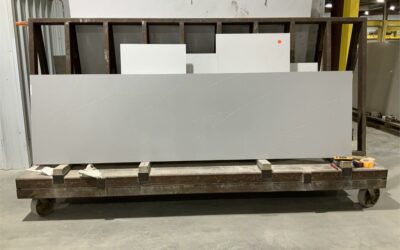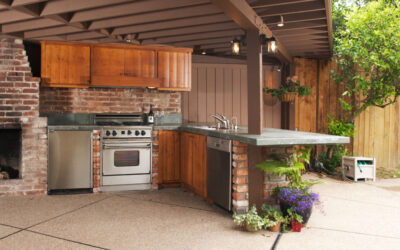
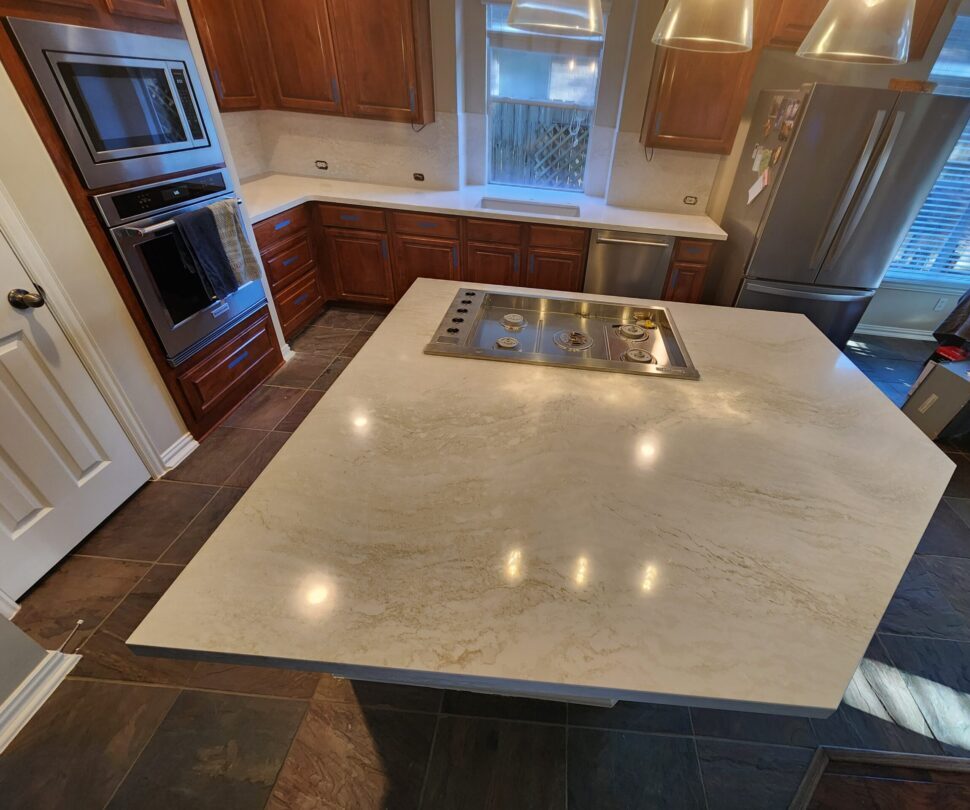
Quartz surfaces are tough, beautiful, and naturally shiny. That’s why they’re a top pick for kitchens and bathrooms. But getting that flawless finish takes more than just great material—it requires expert polishing during installation.
A good polish brings out the full beauty of the stone and gives it added protection. It smooths away minor flaws, adds depth to the color, and helps the surface hold up in busy areas. Let’s take a closer look at how quartz polishing works, when it’s needed, and why professionals are your best bet for long-lasting results.
Does Quartz Need to Be Polished?
Unlike granite or marble, quartz doesn’t need regular polishing. It’s nonporous, which means it won’t absorb liquids or stains. It’s sealed during the manufacturing process, so you don’t have to worry about bacteria or mold getting in.
Still, polishing is an important part of fabrication and installation. It creates a smooth surface, removes light scratches or imperfections, and gives the slab a clean, even finish. Whether you’re going for a bold, glossy shine or a soft matte look, a professional polish makes a big difference in how your countertops look and feel.
How Quartz Polishing Works During Installation
Polishing starts after the slab is cut and shaped to fit your space. At this stage, trained fabricators use high-powered tools to smooth and refine the surface. The process includes several steps, each with a clear purpose:
- Grinding: Removes any sharp or uneven edges
- Honing: Levels out the surface for a uniform texture
- Polishing: Uses special quartz-safe compounds to achieve the desired finish
The type of finish you want—matte, satin, or high gloss—affects how much polishing is needed. Matte gives a soft, modern look. Satin has a low-sheen, velvety finish. High gloss offers a bright, reflective surface that enhances color and pattern. The right tools and technique are essential to avoid damage during polishing, especially since quartz contains resin that can react poorly to heat or friction.
Why Professional Polishing is Worth It
Polishing quartz the right way is about more than looks. It’s about protecting your investment. Done correctly, it helps the surface resist wear and tear, and it creates a sleek, easy-to-clean finish.
Professionals know how to avoid damaging the resin that holds the quartz together. They can remove minor blemishes from cutting and handling without over-polishing. And they use the right polish for the material, avoiding any products that could leave behind a waxy film or damage the surface.
It also cuts down on long-term maintenance. A well-polished quartz surface is smoother, so there are fewer spots for grime, dust, or residue to settle. That makes cleaning easier and helps your countertops stay looking new.
Why DIY Polishing Isn’t Recommended
Polishing engineered stone countertops at home may seem like a quick weekend project, but it comes with risks. Without the right tools or materials, you can do more harm than good. For example:
- Using a rough pad or the wrong polish can scratch the surface
- Overdoing it can cause uneven shine or damage the resin
- Household tools just can’t match professional results
Even if you follow a tutorial, there’s no substitute for hands-on experience. Trained installers know how to handle quartz safely. They understand how different finishes behave and how to apply just the right amount of pressure. That kind of precision is hard to replicate with off-the-shelf products or online advice.
Best Polish for Quartz Countertops: What the Pros Use
Not all polishes are created equal. Quartz needs a specific type of product—something gentle yet effective. The best polishing compounds are designed just for engineered stone and won’t damage the surface or leave behind residue. Professionals look for these qualities in a quartz-safe polish:
- Non-abrasive: Won’t scratch or dull the resin
- No wax or oil: Prevents buildup over time
- Quartz-specific: Not designed for granite, marble, or natural stone
During installation, professionals select the right polish for each slab. That means every surface gets the ideal finish, whether it’s a soft matte or a bold, high-gloss shine. With a semi-custom approach, it’s not one-size-fits-all—each project is treated with care and attention to detail.
Keep That Polished Look Over Time
Quartz is known for holding its shine, but it still needs basic care. Luckily, it’s low maintenance. If you start to notice small dull spots or scuff marks, a light professional touch-up can restore the surface. In most cases, that’s all it takes to bring the shine back. No heavy polishing or resealing needed. Just follow a few simple tips to keep it looking great:
- Clean with warm water and mild, non-abrasive cleaners
- Avoid harsh chemicals or rough pads that could dull the surface
- Wipe up spills right away—especially acidic ones like wine, vinegar, or coffee
Quartz Polishing That Lasts
Polishing quartz the right way gives it that smooth, high-end look you love. It’s more than just shine—it helps protect the surface and makes cleaning easier. With proper polishing during installation, your countertops stay beautiful for years.
Professional polishing uses the right tools, techniques, and finishes to bring out the best in each slab. As a trusted countertop fabricator and installer in Willis, we work with premium quartz to deliver lasting quality.
Want polished quartz that looks great and holds up over time? Request a free quote today to get started.