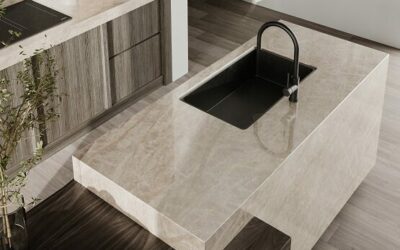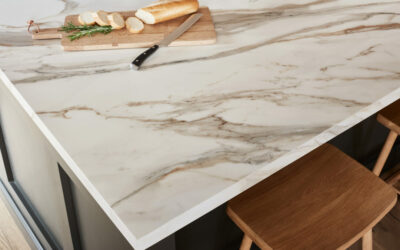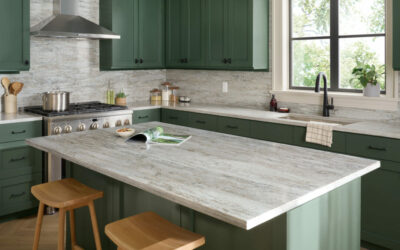
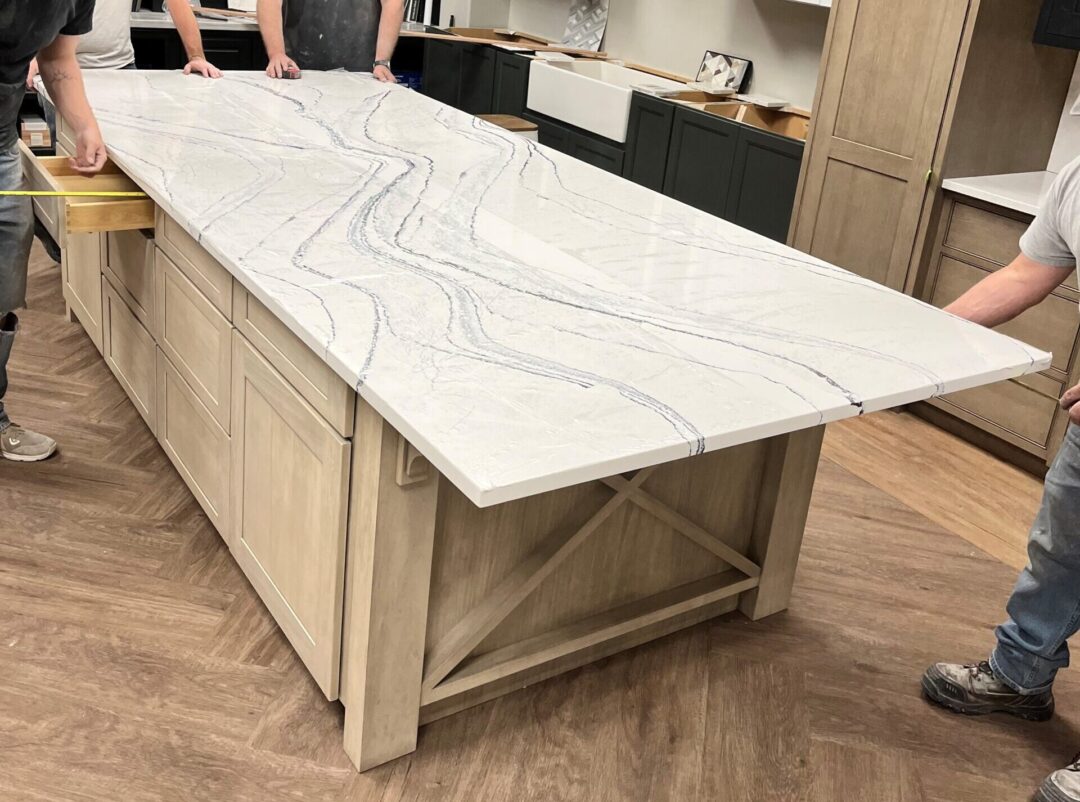
Granite and quartz are two of the most popular countertop choices out there. Both are beautiful and tough, but they’re not the same. You might be wondering what kind of countertop you already have or which one is right for your remodel. That’s what we’re here to help you with. Quartz is an engineered stone made of crushed quartz and resin. Granite, on the other hand, is a natural stone cut straight from the earth. While they serve the same purpose, they look, feel, and wear differently.
Let’s break down the basics so you can tell them apart with confidence.
The Basics: Quartz vs. Granite
Granite countertops are cut from large granite slabs. Since granite comes straight from nature, every piece is unique. Quartz countertops are manmade using crushed quartz mixed with resin, creating a non-porous, smooth surface.
Both are often used in kitchens and bathrooms. They’re strong and hold up well to everyday wear and tear. But there are some differences in how they look, how much care they need, and how they feel to the touch.
Appearance: What to Look For
Granite has a natural, one-of-a-kind look. You’ll notice speckles, swirls, and veins in the pattern, and no two slabs are exactly the same.
Quartz, being manmade, offers more uniform patterns and colors. That makes it a popular pick for sleek, modern styles where consistency matters.
If you’re trying to tell which one you have, start by just looking at the pattern:
| Feature | Granite | Quartz |
| Pattern | Random, natural speckles/veins | Uniform, controlled design |
| Color variety | Natural earth tones | Wide range, including bold colors |
| Overall look | Natural and unique | Sleek and consistent |
Feel and Texture
Run your hand across the surface—what do you notice?
- Quartz feels smooth and often glossier due to its resin finish
- Granite feels a little more textured
- Quartz has a consistent feel across the slab
- Granite may feel cooler and have natural dips or grain
The texture can tell you a lot, especially when paired with the appearance.
Durability and Maintenance
When it comes to daily wear and tear, both quartz and granite hold up well, but they don’t behave the same. Each material has its own strengths and care needs, which can affect how it performs in your kitchen or bathroom over time. Here’s a quick breakdown of what to expect.
| Quartz | Granite | |
| Pros | – Non-porous, resists stains
– Doesn’t need sealing – Easy to clean with mild soap and water |
– Handles heat well
– Works indoors and outdoors – Natural beauty that adds value |
| Cons | – Sensitive to heat
– Not suitable for outdoor use |
– Needs regular sealing to prevent stains
– Edges may chip more easily |
Other Clues: Edges, Seams, and Labels
If you’re still unsure, check the edges or look underneath:
| Feature | Granite | Quartz |
| Edges | May show minor chips or natural flaws | Usually polished and smooth |
| Seams | More visible due to pattern changes | Less noticeable thanks to uniform look |
| Labels/Markings | Rare in natural stone | Engineered slabs often have brand tags |
These small details can give away what kind of material you’re dealing with.
When in Doubt, Ask a Pro
Still can’t tell for sure? A local countertop expert can help. We know what to look for and can identify the surface with a quick inspection. This is especially helpful if you’re buying a home and need to know what kind of maintenance your counters need.
How to Tell the Difference Between Quartz and Granite
To tell the difference between quartz and marble, check the pattern, feel the surface, and look for seams or labels. Quartz has a smooth, consistent look and feel. Granite has more variation and texture. Both are strong choices, but knowing what you have helps you care for it the right way.
As stone countertop installers in Willis, we work with both materials every day. Whether you need quartz for a sleek kitchen or granite for a bold bathroom remodel, we can help you pick what fits your space and lifestyle.
Ready to upgrade your countertops? Get a free quote and let’s talk about your project today.