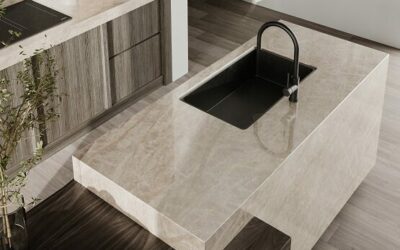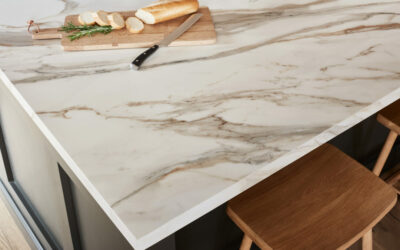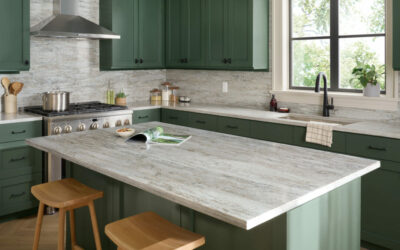
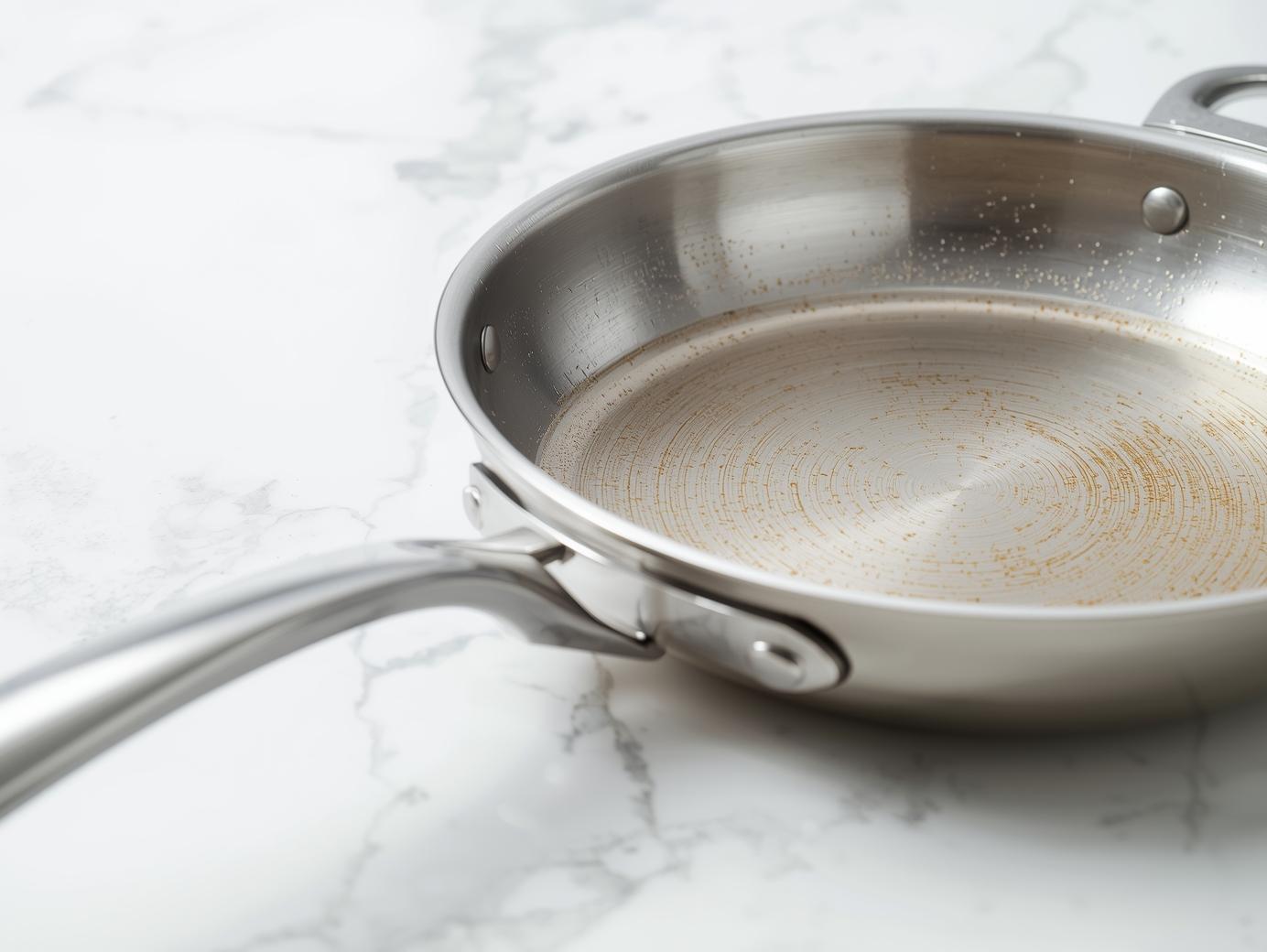
Hot pans, sizzling trays, and packed get-togethers can make you stop and wonder if your bar surface can really handle the heat. That question matters when you want bar countertops that still look great years down the road. One night of entertaining should not lead to cracks, stains, or expensive repairs. Professionally installed porcelain counter tops are built to handle heat and real-world use. Understanding how they respond to temperature helps you protect your investment and enjoy your home bars without stressing over every hot dish.
Why Heat Resistance Matters for Bar Countertops
Bar counter tops see heat in ways kitchen counters do not. Food moves fast, guests lean in, and hot items land wherever there is space.
Heat matters because:
- Hot plates and cookware often land directly on the surface
- Damage can change how bar countertops look and feel
- Repairs or replacement can get expensive
Choosing the right material helps you avoid all that and keeps your home bar ready for anything.
How Bar Countertops Are Used Differently Than Kitchen Counters
Bar countertops tend to live a more relaxed life, especially during gatherings. Guests place hot trays down without asking. Drinks spill. Ice meets heat. Everything happens fast, and the surface has to keep up.
Unlike kitchens, bars usually have less prep space and fewer protective layers like cutting boards or trivets. This creates more exposure to sudden temperature changes, which can stress weaker materials. That is why heat resistance is especially important for home bar countertops that see frequent entertaining.
What Porcelain Bar Countertops Are Made Of
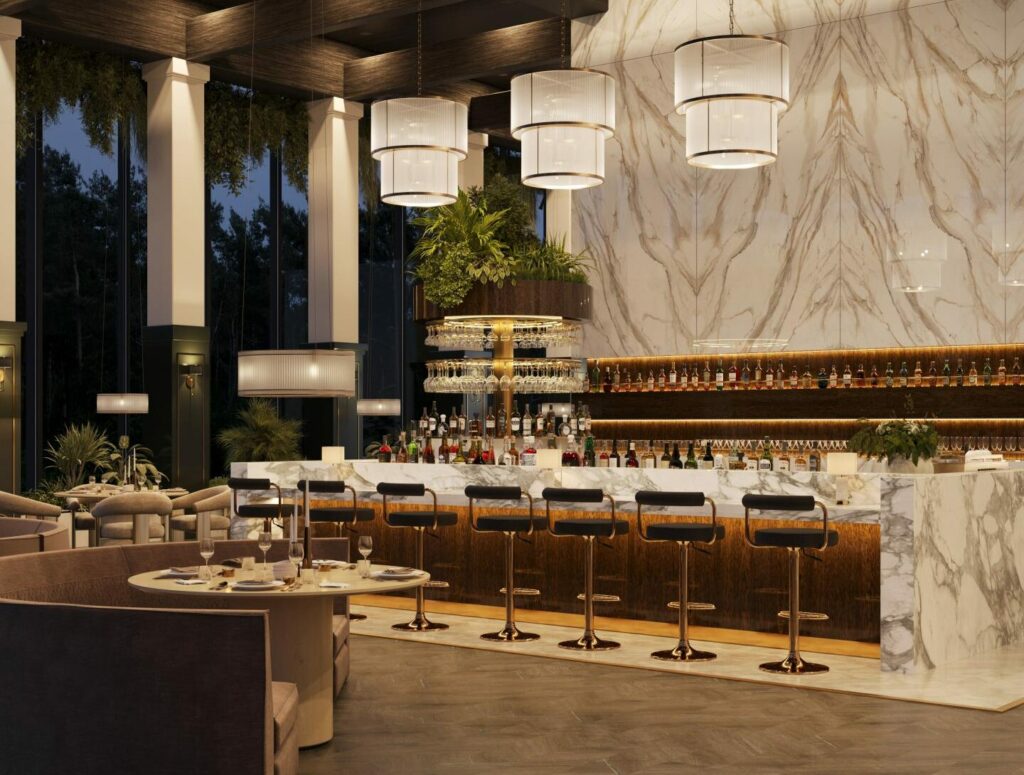
Porcelain bar counter tops are engineered, not fragile. They are made from refined clay and natural minerals that are compressed and fired at extremely high temperatures.
Teracanto porcelain countertops go through a firing process that creates a dense, non-porous surface. This density blocks moisture, resists stains, and helps prevent heat damage. The result is a strong, consistent surface that performs well in home bars and demanding commercial settings.
Why Porcelain Is Known for Heat Resistance
Porcelain handles heat well largely because of how it is made. During manufacturing, the material is exposed to extremely high kiln temperatures, far beyond anything it would encounter in a residential setting. By the time it becomes a finished slab, porcelain has already been pushed to thermal limits that everyday cooking simply cannot match.
That process creates a dense, stable structure that does not react dramatically to temperature changes. While sudden extremes should always be avoided, porcelain does not expand or weaken easily when exposed to heat. This consistency helps reduce the risk of cracking or surface damage during normal use, even in spaces where hot dishes and cookware are common.
Because porcelain is often used in demanding environments, including commercial spaces and outdoor installations, it is designed to handle more stress than many traditional countertop materials. This is why porcelain bar countertops tend to outperform other common options when heat is involved, offering durability without requiring constant caution or special treatment.
Can Heat Actually Damage a Porcelain Bar Countertop?
Porcelain is extremely durable, but no surface is completely indestructible. Heat damage is rare, but it can happen under extreme conditions.
Most homeowners never experience issues during normal bar use. Problems usually come from rapid temperature shock or placing very hot cookware directly on vulnerable areas like thin edges or seams. With proper installation and reasonable habits, porcelain holds up well over time.
What Happens When Hot Items Touch Porcelain
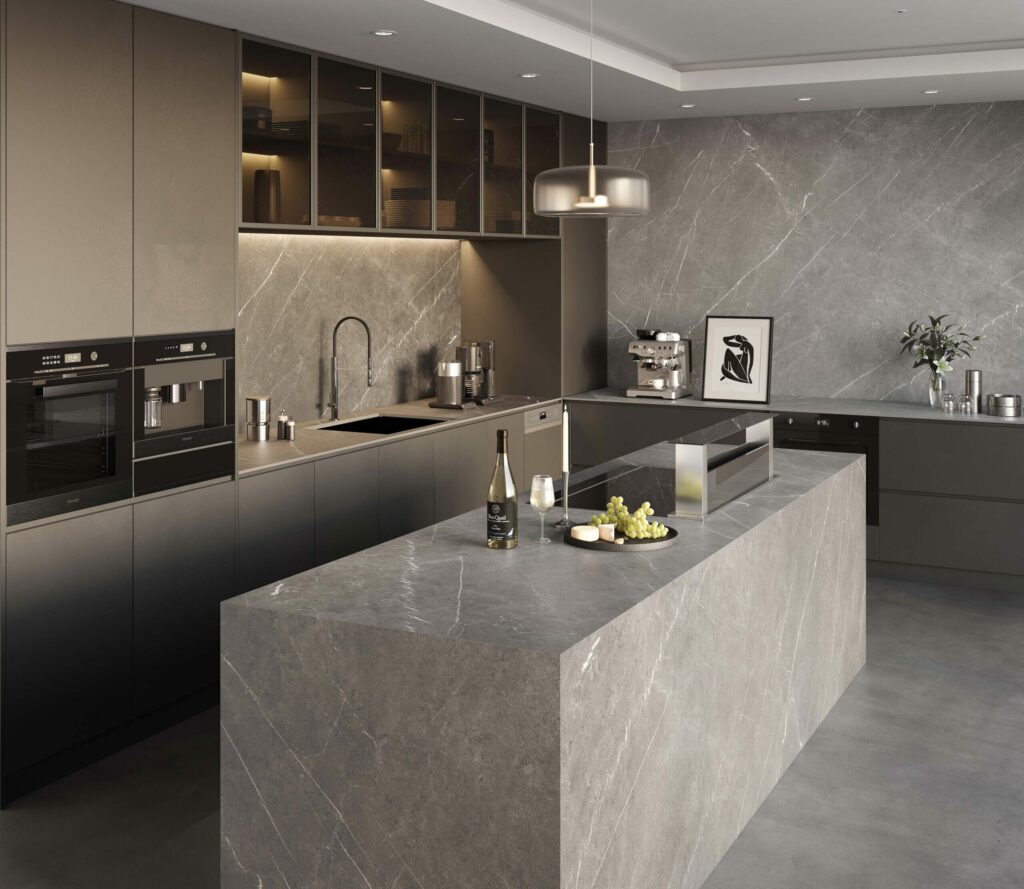
In real-life use, hot items placed on porcelain bar counter tops rarely cause damage. The surface stays stable and keeps its finish.
Issues are more likely when extreme heat meets sudden cold or when heat concentrates in weaker areas. Examples include placing a blazing hot pan on a cold outdoor bar at night or setting heavy cookware directly on an exposed edge. These situations are uncommon, but understanding them helps you use the surface wisely.
Common Heat-Related Myths About Porcelain
There are some common misconceptions around porcelain bar tops. These heat-related myths include:
- Porcelain does not burn or scorch like wood bar surfaces
- Heat damage is not the same as impact damage
- Discoloration is uncommon with quality slabs
Most problems that get blamed on heat are usually the result of small chips, weak edges, or installation issues that were present long before heat ever became a factor. Tiny imperfections can allow stress to travel through the material, making damage more likely during normal use. When a countertop is properly installed with solid support and clean edges, porcelain handles heat far better than many people expect.
How Porcelain Compares to Other Bar Countertop Materials
Heat resistance and maintenance can feel vague until you connect them to daily use. This table breaks down what each rating really means for your home bar.
| Material | Heat Performance (What This Means for You) | Maintenance (What to Expect) |
|---|---|---|
| Porcelain | Excellent – Handles hot pans and serving dishes without damage during normal use. Rarely affected by heat from entertaining or daily bar use. | Low – No sealing needed. Easy cleaning. Resists stains, heat marks, and discoloration. |
| Quartz | Moderate – Can handle warm items but hot pans may leave marks or discolor the surface over time. | Medium – Requires care around heat and harsh cleaners. May need more attention to avoid damage. |
| Granite | Good – Tolerates heat fairly well but may crack or stain, especially if not sealed properly. | Medium – Needs periodic sealing and care to prevent stains and surface wear. |
| Marble | Low – Sensitive to heat. Hot items can cause etching, discoloration, or surface damage. | High – Requires frequent sealing and careful daily use to maintain appearance. |
For busy home bars and bar table setups, porcelain often delivers the best balance of heat resistance and easy care.
Porcelain vs. Quartz for Heat Exposure
Quartz and porcelain may look similar, but they react very differently to heat. This table explains what that means when you actually use your bar.
| Feature | Quartz Bar Countertops (What You Will Notice) | Porcelain Bar Countertops (What You Will Notice) |
|---|---|---|
| Heat tolerance | Moderate – Warm dishes are usually fine, but very hot pans can damage the surface. | High – Handles high heat from cookware and serving dishes without issues. |
| Material makeup | Made with stone and resins that can react to heat. | Made from fired natural minerals with no heat-sensitive resins. |
| Reaction to hot pans | Hot pans may leave cloudy spots, burn marks, or discoloration. | Surface stays stable and unchanged under normal heat exposure. |
| Need for trivets | Strongly recommended to prevent surface damage. | Less critical for everyday use, though still helpful for extreme heat. |
| Best use | Light to moderate bar use with careful habits. | High-use home bars and frequent entertaining. |
Porcelain vs. Natural Stone
Natural stone offers beauty, but performance varies widely. This table shows how each option holds up in real bar settings.
| Feature | Granite | Marble | Porcelain |
|---|---|---|---|
| Heat resistance | Good – Handles heat fairly well but may crack under stress. | Low – Heat can easily damage the surface. | Excellent – Designed to withstand high heat without damage. |
| Risk of discoloration | Possible, especially if not sealed properly. | High risk from heat, spills, and acids. | Very low risk, even with frequent use. |
| Risk of cracking or etching | Can crack over time due to stress or poor sealing. | Easily etches and scratches. | Highly resistant to cracking and surface damage. |
| Maintenance level | Medium – Requires sealing and regular upkeep. | High – Needs frequent sealing and careful daily use. | Low – No sealing and minimal upkeep required. |
| Best fit for bar tops | Moderate use with mindful care. | Low-heat, low-traffic use. | Real-world, high-traffic bar countertops. |
Real-World Scenarios: Using Hot Items on a Porcelain Bar
Daily life rarely pushes porcelain beyond its limits. Knowing where the limits are helps keep the surface looking new.
Entertaining and Serving Hot Food
During parties, hot dishes move quickly. Most brief contact between hot items and porcelain bar counter tops is safe. Problems usually come from prolonged exposure to extreme heat in the same spot.
Using trivets for very hot cookware, especially near seams or corners, adds an extra layer of protection. These habits reduce long-term stress without changing how you entertain.
Outdoor Bars and High Heat Exposure
Outdoor home bars face both sun and heat from cookware. Porcelain performs well in these environments thanks to strong UV and heat resistance.
Installation matters even more outdoors. A properly installed surface accounts for expansion, weather exposure, and temperature swings. When done right, porcelain bar countertops hold up well year after year.
Best Practices to Protect a Porcelain Bar Countertop
Porcelain bar countertops are built to handle everyday use, but a few thoughtful habits can help them stay looking new for years. Protecting the surface does not mean treating it delicately. It simply means being mindful during the moments when damage is most likely to happen.
When working with extremely hot cookware, using trivets or heat-safe pads is a smart habit, especially during busy gatherings or meal prep. While porcelain is heat resistant, sudden temperature changes can still cause unnecessary stress over time. Allowing hot pans or dishes to cool for a short period before setting them on the counter helps reduce that risk. The same applies in reverse. Avoid pouring ice-cold liquids directly onto a surface that has been exposed to heat, as quick shifts in temperature can affect the finish.
Paying attention during high-traffic moments, like entertaining or serving drinks, goes a long way. A quick pause to place a hot item on a trivet or move it to a safe area helps protect the countertop without changing how the space is used. With these simple habits in place, your porcelain bar counter can remain durable, attractive, and ready for everyday use without limiting how you enjoy the space.
Signs of Heat Damage to Watch For
Heat damage is not common, but it can happen. Knowing the warning signs helps stop small issues from turning into big repairs. Here are the most common signs to watch for.
- Fine surface cracks: Hairline cracks can appear after repeated exposure to very hot items. These cracks may look small at first but can spread over time if the surface keeps taking heat stress.
- Rough or uneven texture: A smooth surface that starts to feel gritty, bumpy, or slightly warped can signal heat stress. This often shows up in areas where hot pans or serving dishes get placed often.
- Discoloration or dark marks: Heat can cause faint dark spots or cloudy areas that do not wipe away. These marks usually sit right where hot items rest the most.
- Chipping near edges or corners: Edges and corners handle heat changes the worst. Small chips in these areas can point to sudden temperature shifts, like placing a hot dish on a cool surface.
- Loss of surface sheen: If the finish starts to look dull or uneven compared to the rest of the countertop, heat exposure may be breaking down the surface layer.
Spotting these signs early makes a big difference. Quick action helps protect the countertop and keeps damage from spreading.
Porcelain Bar Countertop Questions
Can you put a hot pan directly on porcelain?
Yes, you can usually place a hot pan on porcelain for short periods without damage. Porcelain bar countertops are made to handle high heat from normal cooking and serving. That said, extremely hot cookware fresh off the stove can still create stress over time. Using trivets gives extra peace of mind, especially during parties or heavy use.
Will porcelain crack from heat?
Cracking from heat alone is very unlikely during normal use. Porcelain stays stable when exposed to everyday hot dishes and serving trays. Problems usually come from rapid temperature changes, like placing a hot pan on a very cold surface. Proper installation also plays a big role in preventing stress cracks.
Is porcelain better than quartz for a bar area?
Porcelain handles heat better than quartz in most bar settings. Quartz contains resins that can react to high temperatures and cause discoloration or surface marks. Porcelain does not rely on resins, so it stays stable when exposed to heat. Your usage habits matter, but porcelain is often the safer pick for busy home bars.
Does outdoor heat affect porcelain countertops?
Porcelain performs very well in outdoor environments. It resists UV exposure and holds up under high temperatures without fading or warping. Outdoor heat combined with hot cookware is usually not a problem for porcelain bar countertops. Quality installation helps manage expansion and keeps the surface performing long term.
Do porcelain countertops need special heat protection?
Porcelain does not need special heat-resistant products or coatings. The surface is already designed for high-performance use. Simple habits like avoiding sudden temperature shock are usually enough. For everyday life, porcelain bar countertops stay strong with very little extra effort.
How Much Heat Can Porcelain Bar Countertops Handle?
Porcelain bar countertops are one of the most heat-resistant options available for home bar countertops. Normal bar use rarely causes damage, even during busy gatherings. Smart habits help maintain both appearance and performance over time.
As porcelain countertop installers in Willis, we help you choose bar countertops that match how you actually use your space. Layout, seam placement, and proper installation all play a role in heat performance. The goal is a hand crafted surface that works for daily life, not just looks good on day one.
Ready to upgrade your home bars with confidence? Contact us today for a free estimate and expert guidance you can trust.