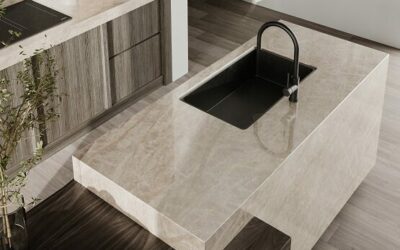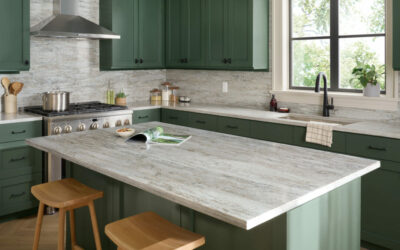
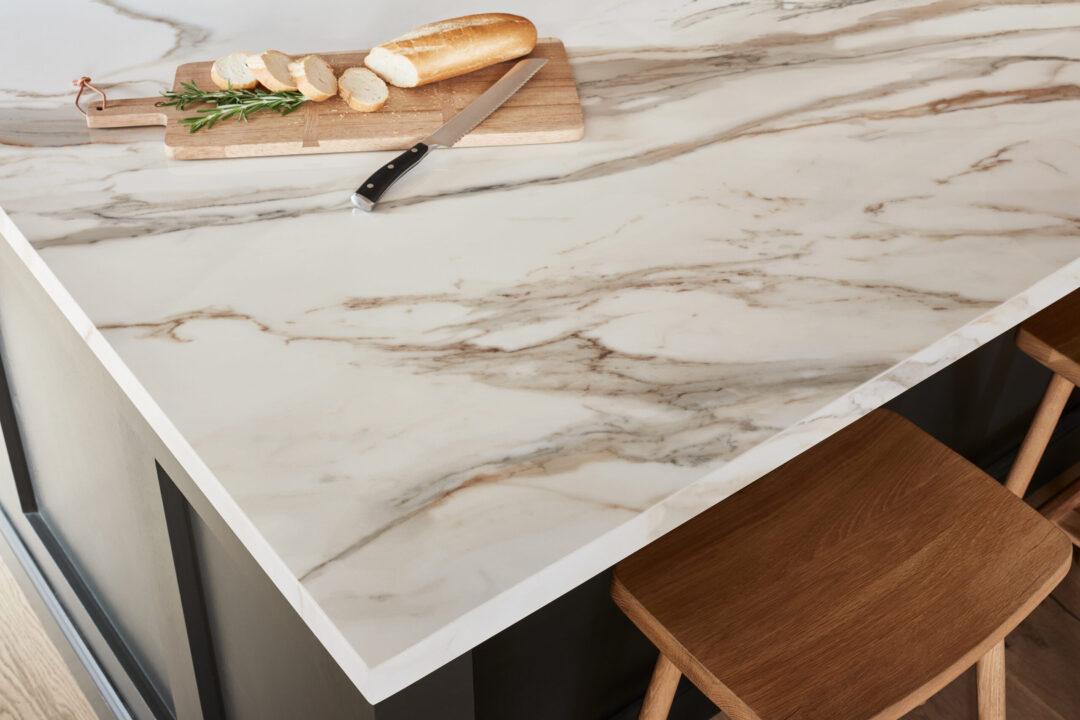
Walk into any kitchen showroom, and the slabs might all look the same, but the edge is what you touch every day. A sharp edge can chip, and a fancy decorative edge might trap grime or cost more than expected. Picking the right porcelain countertop edge keeps your surface safe, makes cleaning easier, and feels great to use. Knowing your options helps you choose an edge that fits your style, your kitchen, and your daily life.
Key Takeaways
- Edge profiles affect more than appearance; they influence comfort, safety, cleaning, and long-term durability
- Rounded edges like eased or bullnose resist chipping and work best in busy kitchens and family homes
- Straight and decorative edges create a strong design statement but may require more care and higher fabrication costs
- Porcelain thickness and edge construction play a major role in strength, especially around overhangs and sinks
- Discussing edge options, installation details, and care with your supplier helps ensure lasting performance and value
Why the Edge Profile Matters
The edge of your countertop isn’t just decoration; it changes how your kitchen or bathroom feels every day. A sharp edge might look sleek, but it can be uncomfortable if you bump into it or lean on it. Rounded edges, like eased edges or bullnose edges, feel softer and safer for families.
Edge style also affects cleaning and long-term wear. Simple edges and flat polished edge countertops are easy to wipe down and show fewer chips over time. Decorative edges, like ogee edges, can look fancy but tend to collect crumbs and require more upkeep.
Choosing the right edge can even influence the value of your countertop. A straight edge countertop or the best edge for quartzite countertops can make your space feel modern and well-finished. In contrast, the wrong edge can look out of place or wear poorly, which may cost more to fix later.
Because porcelain slabs are thinner and denser than many natural stones, edge design plays a larger role in durability.

Common Porcelain Countertop Edge Options
Porcelain countertops can have many different edges, and each edge gives your kitchen a unique look and feel. Some edges are simple and modern, while others are rounded or decorative. Picking the right edge can help your space feel balanced, stylish, and easy to use every day.
Here are some popular edge options and where they work best:
- Straight or square edge: Clean and modern, perfect for contemporary kitchens with simple lines.
- Eased edge: Slightly rounded for a softer, everyday look that’s easy to clean.
- Beveled edge: Adds subtle detail and dimension without feeling overly fancy.
- Half bullnose: A smooth curve on the top edge only, blending style with safety.
- Full bullnose: Fully rounded for a soft, classic finish that’s gentle on elbows and hands.
- Decorative edges (like ogee): Fancy and traditional, ideal for kitchens with more ornate design.
Choosing an Edge That Fits Your Space
Picking the right countertop edge isn’t just about looks; it’s about how your kitchen or bathroom feels and works every day. Different edges suit different styles and uses, so knowing your options makes it easier to choose one that fits your space perfectly.
Modern and Contemporary Kitchens
Straight edges and flat, polished edge countertops create clean lines and a sleek, minimalist look. Eased edges also work well, adding a soft touch without breaking the modern feel. These edges keep the space feeling open and easy to maintain.
Traditional and Classic Interiors
Decorative edges, like ogee or full bullnose edges, add elegance and character. Half bullnose edges provide a balanced mix of style and safety, perfect for kitchens with more classic details.
Busy Family Kitchens
Durable, practical edges are best for everyday use. Eased edges, beveled edges, and straight edges are easy to clean and resist chips from daily activity. They protect your countertop while keeping maintenance simple.
Bathrooms and Vanities
Smooth, rounded edges like bullnose or eased edges prevent water from pooling and make cleaning fast and easy. These edges keep looking polished while staying functional in wet spaces. vanities
Durability and Everyday Use
The shape of your countertop edge makes a big difference in how it holds up to daily life. Rounded edges, like eased or bullnose edges, resist chips better than sharp edges, while straight or beveled edges look clean but can be more prone to damage. Porcelain thickness also matters: thicker slabs give exposed edges extra strength, especially around overhangs, corners, and sinks where wear is higher.
In high-traffic areas or busy family kitchens, simple edges are easier to maintain and less likely to get damaged, while decorative edges may need more care. Choosing the right edge ensures your countertop stays beautiful and functional even with heavy use.
Cost and Value at a Glance
The countertop edge you choose affects more than appearance. It plays a role in fabrication time, durability, maintenance, and long-term value. Comparing these factors side by side makes it easier to understand where cost differences come from and what you gain in return.
| Edge Factor | What It Influences | Cost Impact | Why It Matters Long-Term |
|---|---|---|---|
| Edge complexity | Fabrication time and labor | Higher for detailed profiles | Intricate edges require skilled work and increase upfront cost |
| Edge thickness | Strength and visual weight | Moderate to high for thicker edges | Thicker edges feel more substantial and are less prone to chipping |
| Edge finish | Ease of cleaning | Lower for simple finishes | Smooth, simple edges collect less debris and are easier to maintain |
| Long-term durability | Repair and replacement risk | Lower over time with durable edges | Stronger edges reduce the likelihood of costly repairs later |
What to Discuss With Your Countertop Supplier
Before finalizing your countertop edge, it helps to talk through key details with your supplier. Understanding how each edge profile works with your porcelain slab and how it will look once installed ensures your countertop is both beautiful and functional. You’ll also want to cover installation specifics, care instructions, and any warranty coverage so your investment lasts for years.
Here are the main points to discuss:
- Edge profiles that suit your material – Make sure the edge works well with porcelain and any other stone you’re using.
- Appearance after installation – Ask how the finished edge will look on the top and bottom, including angled cuts or 45-degree angles.
- Installation details – Check how corners, overhangs, and sinks are handled to keep clean lines and prevent chips.
- Warranty and care recommendations – Understand what’s covered and how to maintain your edge for long-term durability.
Caring for Porcelain Countertop Edges
Keeping your countertop edges looking great doesn’t have to be hard. A few simple habits and the right products can protect your edges and keep your kitchen or bathroom looking fresh for years.
Daily Cleaning
Wipe your edges with a soft cloth or sponge and mild soap. Avoid abrasive pads or harsh chemicals that can scratch the surface or wear down polished edges. Regular cleaning helps maintain smooth lines and the natural beauty of your porcelain.
Products and Practices to Avoid
Stay away from bleach, acidic cleaners, and rough scrubbing tools. These can damage both the edge finish and the countertop surface. Also, avoid leaning heavy objects on exposed edges, especially on thinner slabs or overhangs.
Keeping Edges Looking New
Routinely check corners, sinks, and overhangs for chips or wear. Using gentle cleaners and wiping up spills right away helps preserve both the top and bottom of your edges. For more guidance, you can reference our Edge Profiles PDF and Care & Cleaning page for detailed tips on maintaining each countertop edge style.
Porcelain Countertop Edge FAQs
What is the most durable porcelain countertop edge for everyday use?
Eased and bullnose edges are often the most durable options for everyday use. Their rounded shape helps absorb impact and reduces the risk of chipping along exposed areas. These profiles are especially helpful in busy kitchens, around sinks, and in high-traffic zones. They also feel more comfortable when leaning against the counter.
Are straight or square edges more likely to chip on porcelain countertops?
Yes, straight or square edges are more prone to chipping than softened profiles. Because the edge is fully exposed, any impact hits a sharp corner rather than being dispersed. While these edges create a clean, modern look, they work best in low-impact areas. Homes without heavy daily use may find them easier to maintain long term.
Does porcelain countertop thickness affect edge performance?
Porcelain thickness plays an important role in edge strength and durability. Thicker edges feel more substantial and provide better resistance to damage, especially on islands and overhangs. Some installations use mitered or laminated edges to create the appearance of thickness without adding weight. This approach improves both durability and visual impact.
Are decorative edges, like ogee, a good choice for porcelain countertops?
Decorative edges can work well in traditional or classic designs, but they require more detailed fabrication. These profiles often cost more and can collect dust, crumbs, or moisture in the curves. They also tend to need more frequent cleaning to maintain their appearance. For high-use kitchens, simpler edges are usually more practical.
How do I choose the best porcelain countertop edge for my kitchen or bathroom?
The best edge depends on how the space is used, the design style, and your budget. Kitchens usually benefit from durable, easy-to-clean edges, while bathrooms allow more flexibility in design. Edge thickness, traffic level, and maintenance expectations should all be considered. Working with an experienced countertop supplier helps ensure your choice performs well over time.
Choosing the Right Porcelain Countertop Edge
Choosing the right porcelain countertop edge isn’t just about looks. Style, durability, cost, and how you use your kitchen or bathroom all matter. We covered popular edge profiles, how they hold up over time, and tips for daily care to help you make a practical, lasting choice. Knowing the right questions to ask and what works best for your space makes selecting an edge easier and more satisfying.
As porcelain countertop installers in Willis, we have worked with edge profiles every day since 1979 and understand how fabrication, thickness, and installation details affect long-term performance. Proper installation and attention to detail make a big difference in durability, safety, and overall appearance.
Ready to find the perfect edge for your porcelain countertop? Contact us today to explore edge profiles and care tips for your kitchen or bathroom.