Porcelain countertops are highly durable and resistant to scratches, but like any material, they can chip under certain conditions. This statement alone might be enough to keep you interested, especially if you’re considering investing in these stylish surfaces for your kitchen or bathroom. The beauty and functionality of porcelain countertops have made them a popular choice among homeowners and remodelers. However, like any investment, it’s crucial to understand how they hold up under daily use. So, if you’re wondering whether these countertops are worth it for the long haul, you’ve come to the right place.
Key Takeaways
- Porcelain countertops offer exceptional durability, resisting scratches and stains effectively
- Despite its strength, porcelain can chip if subjected to heavy impacts or improper handling
- Compared to granite and quartz, porcelain stands out with superior heat and stain resistance
- Proper maintenance and care can extend the lifespan of your porcelain countertops significantly
- Regular cleaning and mindful use help maintain porcelain’s pristine condition
Understanding Porcelain and Its Strength
Porcelain countertops are a popular choice because they combine durability with a clean, modern look. They’re made by firing clay and minerals at extremely high temperatures, which creates a dense, hard surface that holds up well to everyday use. This process is what gives porcelain its strength and long-lasting performance.
One of the biggest advantages of porcelain is its non-porous surface. It resists stains, scratches, and heat, making it a low-maintenance option for busy kitchens and bathrooms. Since it doesn’t absorb liquids, it’s also easy to clean and helps maintain a fresh, polished appearance over time.
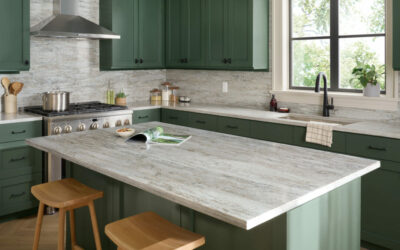
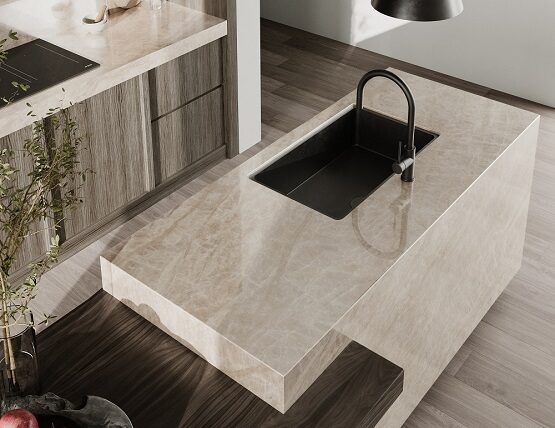
Porcelain is also highly versatile in design. It comes in a wide range of colors and finishes, including styles that mimic natural stone like marble or granite. This allows homeowners to get a high-end look without the added upkeep that natural materials often require.
While porcelain is strong and reliable, it’s not completely damage-proof. It can chip under heavy impact or improper use, especially around the edges. With proper care and installation, though, it remains a durable and stylish choice for long-term use.
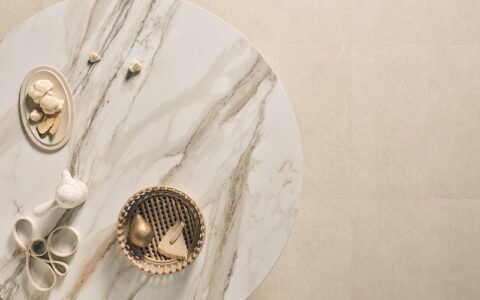
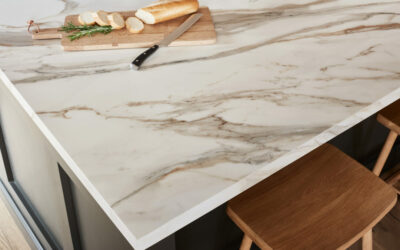
Calacatta Extreme – Teracanto Porcelain by LX Hausys
Common Causes of Chipping in Porcelain Countertops
Porcelain countertops are highly durable, but they’re not completely immune to damage. Knowing what typically causes chipping can help you avoid common mistakes and keep your surfaces looking their best over time. With the right awareness, you can take simple steps to protect your investment and extend its lifespan.
Accidental Impact
Dropped pots, pans, or heavy objects are the most common cause of chips. Even though porcelain is strong, a sharp or forceful impact can damage the surface, especially along exposed edges. Being mindful when handling heavy kitchen items can significantly reduce the risk of accidental chipping.
Improper Installation
If countertops aren’t installed with proper support and alignment, weak points can develop over time. These vulnerable areas are more likely to chip, crack, or fail under normal use. Working with experienced professionals helps ensure your countertops are installed correctly and built to last.
Abrasive Cleaning Tools
Using harsh scrubbers or abrasive cleaners can gradually wear down the surface of your countertops. While porcelain is resistant to scratches, repeated abrasion can weaken its finish and make it more prone to damage. Sticking to soft cloths and gentle cleaning products will help maintain its durability and appearance.
Sudden Temperature Changes
Extreme or rapid temperature shifts can put stress on porcelain surfaces. Placing hot pans directly on the countertop may lead to thermal shock, which can cause cracks or chips over time. Using trivets or heat-resistant pads is a simple way to protect your countertops from temperature-related damage.
Comparing Porcelain Countertops to Quartz and Granite
Choosing the right countertop material comes down to how you balance durability, maintenance, and design. Porcelain stands out for its heat and stain resistance, while other materials like quartz, granite, quartzite, and marble each bring their own strengths and trade-offs. Seeing these differences side by side makes it easier to decide what fits your lifestyle.
| Feature | Porcelain | Quartz | Granite | Quartzite | Marble |
| Durability | High | High | Very High | Very High | Moderate |
| Heat Resistance | Excellent | Moderate | High | Excellent | Moderate |
| Stain Resistance | Excellent (non-porous) | High (non-porous) | Moderate (needs sealing) | Moderate (needs sealing) | Low (prone to staining) |
| Scratch Resistance | High | High | High | Very High | Moderate |
| Chip Resistance | Moderate | Moderate | High | High | Moderate |
| Maintenance | Low | Low | Moderate | Moderate | High |
| Design Variety | Very High (man-made looks) | High | Natural variation | Natural, marble-like | Elegant, natural veining |
| Weight | Lightweight | Medium | Heavy | Heavy | Heavy |
In the end, porcelain is a strong all-around option for homeowners who want a low-maintenance, modern surface with excellent performance. However, if you prefer natural stone or prioritize maximum hardness, materials like granite or quartzite may be a better fit. The right choice depends on how you use your space and the level of upkeep you’re comfortable with.
Tips to Prevent Chipping and Extend the Lifespan of Your Countertop
Keeping your porcelain countertops in great shape doesn’t require much effort, just a few smart habits. By being mindful of how you use, clean, and protect the surface, you can reduce the risk of chipping and keep your countertops looking like new for years. Simple ways to protect your porcelain countertops include:
- Using cutting boards to prevent scratches and surface damage
- Placing hot pans on trivets or heat-resistant pads to avoid thermal shock
- Avoiding heavy impacts from pots, pans, or small appliances
- Using protective pads to evenly distribute weight under heavy items
- Cleaning with soft cloths and mild cleaners instead of abrasive scrubbers
- Wiping up spills promptly to maintain a clean, stain-free surface
Evaluating Maintenance Needs for Porcelain Countertops
Porcelain countertops are designed to be low-maintenance while offering long-lasting beauty. Their non-porous surface resists stains and bacteria, making cleaning as simple as mild soap and water. Unlike other materials, porcelain rarely needs sealing, saving time and effort for busy households. Regular inspections can help spot small chips or wear before they become larger problems. Combined with proper installation and daily care, porcelain countertops maintain their elegance and durability for years.
Why Choose R&D Marble for Your Countertops
At R&D Marble, quality isn’t just a goal. It has been the standard since 1979. For decades, homeowners, contractors, and remodelers across Montgomery County have trusted our team to deliver exceptional stonework that stands the test of time. We offer an extensive selection of materials, including porcelain, natural stone, quartz, and granite, so you can find the right fit for your style, budget, and functional needs. Whether you’re upgrading a kitchen, bathroom, or commercial space, we guide you through every step with clear communication and expert insight.
What truly sets us apart is our start-to-finish approach. With an in-house slab yard, advanced CAD-designed layouts, and precise fabrication and installation, we maintain full control over quality and detail. This streamlined process ensures accuracy while helping prevent delays and costly mistakes. The result is a finished product that looks beautiful and performs well over time, giving you countertops you can count on for years to come.
Porcelain Countertop Chipping FAQs
What are the disadvantages of porcelain countertops?
While porcelain countertops offer durability and a sleek appearance, they do have some downsides. They can be expensive compared to other materials. Although they resist staining and heat, they might not be as impact-resistant as some options like granite. Additionally, the installation process can be complex, requiring skilled professionals to ensure proper fitting. Some people also find the selection of colors and patterns limited compared to natural stone options.
Can a chipped porcelain countertop be repaired?
Yes, a chipped porcelain countertop can be repaired. Small chips can often be fixed using a porcelain repair kit that’s available at most home improvement stores. These kits typically include an epoxy or resin that can be color-matched to your countertop. For larger chips or more extensive damage, it may be best to consult a professional for a seamless repair. Regular maintenance and care can also help prevent future chipping.
Does porcelain chip more easily than granite?
Porcelain is generally more prone to chipping compared to granite. Granite’s natural composition makes it harder and more impact-resistant. Porcelain, while durable, is made from clay and other materials, which can make it more susceptible to chipping, especially on edges or if heavy objects are dropped on it. However, with proper care and maintenance, porcelain countertops can still be a long-lasting and beautiful option.
Are porcelain countertops prone to chipping?
Porcelain countertops are relatively durable but can be prone to chipping, especially around the edges. This is because porcelain is made from clay and other materials that, while strong, may not withstand heavy impacts as well as some other materials. To minimize the risk of chipping, it’s important to be cautious with heavy cookware and avoid dropping objects onto the surface. Regular maintenance and using cutting boards can help keep your countertops in top shape.
Is porcelain better than granite?
Whether porcelain is better than granite depends on your preferences and needs. Porcelain offers a sleek, modern look with excellent resistance to stains and heat. It’s also versatile, allowing for a range of colors and patterns. Granite, on the other hand, offers a natural, unique appearance and is incredibly durable, especially against chipping and scratching. Consider factors like aesthetics, maintenance, and budget when deciding which material best suits your space.
Porcelain Countertops: Durable and Stylish Surfaces for Your Home
Porcelain countertops provide a combination of beauty, durability, and low maintenance that makes them an excellent choice for modern kitchens and bathrooms. Their resistance to scratches, stains, and heat ensures they perform well in daily use while maintaining a polished, elegant appearance. By following proper care and preventative tips, you can protect your investment and keep your countertops looking their best for years.
As a trusted stone supplier and fabricator in Montgomery County, R&D Marble helps homeowners, contractors, and remodelers choose, fabricate, and install porcelain countertops that balance style and practicality. From our in-house slab yard to professional installation, we ensure every surface is crafted to last and designed to enhance your space.
Ready to elevate your kitchen or bathroom with durable, low-maintenance porcelain countertops? Contact us today to explore our selection and request a free estimate.